
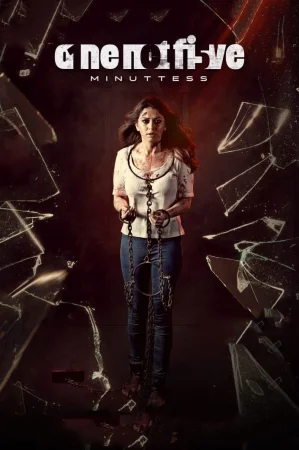
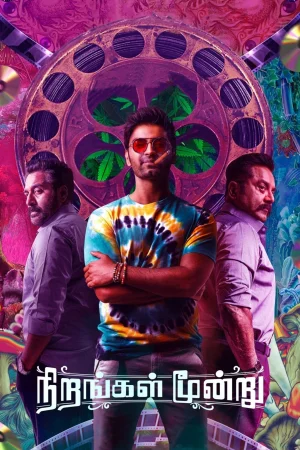



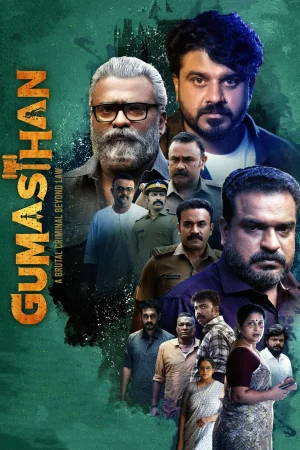


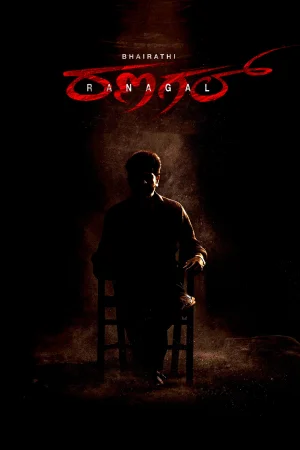
Welcome to a front-row seat on the year’s biggest conversation: 2024 movies online in all their variety and momentum. Here you can watch 2024 films that sparked debates, comforted audiences, and pushed craft forward, with new 2024 releases sitting alongside festival discoveries and overlooked gems. Explore full movies 2024 to trace how familiar genres evolved, how new voices arrived, and how returning auteurs refined their signatures. MixMoviez curates this year as a narrative of shifting tastes—an atlas of ideas where grand spectacle meets intimate storytelling, and where cinema’s future announces itself with clarity, surprise, and heart.
The Films Defining 2024
Every year leaves a handful of touchstones—the titles people quote, argue about, and revisit to understand where culture just went. The defining works of 2024 share a new composure: they are confident with scale yet patient with character, thrilling but emotionally literate. Crowd-pleasers learned to breathe, letting quiet scenes carry as much weight as set pieces. Meanwhile, personal dramas borrowed the propulsion of genre, turning dinner-table stakes into edge-of-your-seat tension. The year’s landmarks didn’t win attention by shouting; they earned it by precision—structures that unfold like clockwork, performances tuned to half-steps rather than high notes, and endings that satisfy without explaining away ambiguity. Across languages and markets, filmmakers treated audiences as collaborators, inviting us to connect dots rather than coloring between lines. If you’re charting the canon of the decade, start here: stories about work and love, climate and class, memory and technology, all told with a sense that cinema can still surprise without apology.
What Genres Ruled 2024
Trends were loud, but their best examples were nuanced. Science fiction tilted toward the near-future—less chrome, more consequence—using speculative tools to ask very contemporary questions about identity, labor, and surveillance. Horror continued its renaissance, but the scariest films weren’t bigger; they were closer, trading jump scares for dread that accumulates like fog and erupts in startlingly humane finales. Romance rediscovered timing and texture, swapping contrivance for specificity: lovers with jobs, friends, families, routines, and smartphones that complicate rather than define them. Action embraced geography again; audiences could feel where bodies were in space, and choreography carried the story instead of decorating it. Animation deepened its range, moving effortlessly from painterly intimacy to kinetic, pop-infused exuberance. Documentary stayed adventurous, merging archival collage with vérité intimacy and essayistic voiceovers that turn private diaries into public inquiry. Even comedy—so often declared “back”—felt newly present, built on observation, awkward silences, and the bravery to let a punchline breathe.
Small Budgets, Big Ideas
The year’s most durable innovations often came from films without safety nets. Micro-budget features made ingenuity their aesthetic: one-location thrillers engineered suspense from architecture and light; chamber dramas found scale in subtext; road movies used the open sky as production value. First-time directors leaned into constraints and discovered voice—favoring natural light, nimble crews, and scripts that rewrite themselves on location. Performers carried more of the load, with character arcs etched in glances rather than speeches. These films traveled by word of mouth: a midnight slot, a critic’s tweet, a classroom recommendation, a subtitle file passed between friends. Their rewards are intimate and cumulative; you don’t watch them so much as live with them, finding lines echoing days later. In a marketplace that can blur everything into noise, they stand out by feeling handcrafted—ideas tested in the wild, moments captured because the camera was small enough to catch them, and endings that refuse the neatness money sometimes buys.
Visual Language & Cinematography in 2024
Look closely and 2024 tells a story in images. Color palettes moved away from monoculture grade: midnight blues and sodium ambers gave way to complex, location-true hues, letting skin tones breathe and night scenes glow without smearing into gray. Large-format capture and humble handheld coexisted, mixing stately depth with tactile immediacy. LED volumes and in-camera tricks served the scene rather than showcasing tech; practical light returned as the quiet star of interiors. Editors respected silence, trusting a long take to hold a room, while drone work matured into genuine perspective instead of postcard spectacle. Aspect ratios shifted with intent—square frames for intimacy, wide canvases for moral distance—signaling theme without underlining it. Production design embraced negative space; nothing felt over-designed, yet every object seemed chosen. Above all, cinematography in 2024 prized clarity: the kind that guides the eye, honors performance, and makes the frame a meeting place between audience and emotion, not a display case for technique.