
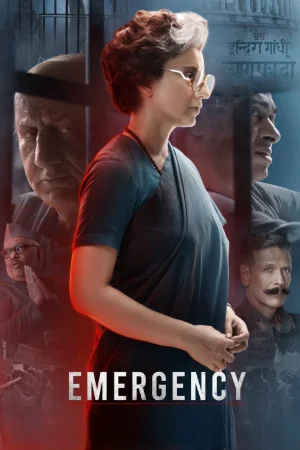
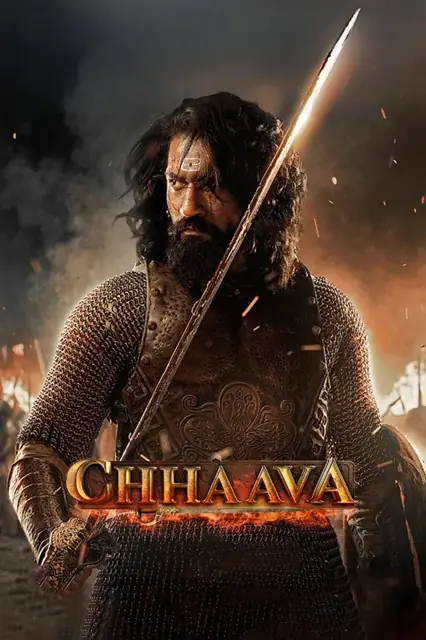
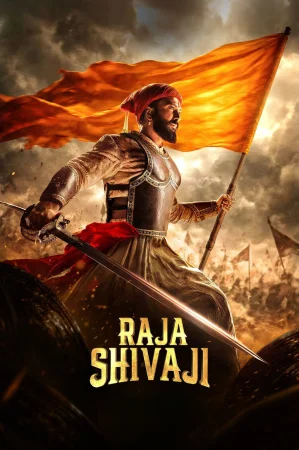


Craving eras you can feel under your fingertips? Our History shelf lines up history movies online so you can watch historical films by mood—court intrigue, frontier grit, or revolution in slow motion—without guesswork. On Movela, period dramas sit beside bold, research-rich sagas, each arranged for clear discovery and momentum. Explore royal chambers and factory floors, battlefields and backrooms, as historical cinema turns dates into choices and costumes into clues. Build a queue of new restorations and fresh voices, compare tones and regions, and settle in for history movies online that balance accuracy with story and leave their echoes long after the credits.
Epic Timelines & Intimate Biographies
Historical cinema wears two compelling faces: the wide sweep of empires and the close study of a single heartbeat. Epics chart migrations, sieges, and treaties with legible scale—supply routes, changing borders, flags lifting in cold sunrise—so you sense the weight of policy on ordinary mornings. Biographies, meanwhile, turn spectacle into breath and routine: a scientist deciding when to publish, a monarch choosing what not to say, a journalist budgeting courage one source at a time. The richest films braid both lanes. A public decree collides with a kitchen promise; a diplomatic dinner reframes a private grief; a quiet signature outlives a cavalry charge. Cause and effect rules the rhythm: calendars, harvests, and commute distances become plot; letters outrun armies or arrive too late by a day. The result is a duet—epic timelines providing context, intimate lives supplying stakes—so the past stops posing and starts behaving like the present under different rules.
Authenticity: Costumes, Sets & Language
Authenticity isn’t a museum label; it’s thousands of decisions that hold under a moving camera. Costumes carry biography: hems salted by streets, cuffs polished by desks, mended seams mapping class and labor. Armor scuffs where it should; silks fade in sunlit corridors; work boots remember rain. Sets breathe with use—ink-stained chancery tables, soot in mill rafters, candle soot on chapel stone, markets ordered by trade rather than traffic. Props obey scarcity: paper is dear, wax precious, coinage inconsistent. Lighting respects era—oil, gas, or early electric—so night is truly night and morning strategy. Language matters too. Dialect coaches tune vowels without turning dialogue into puzzles; legal formulas, guild rules, and titles sit quietly under every conversation. Good films compress timelines for clarity but keep cause-and-effect honest. By trusting period texture to carry meaning, they spare you the explanatory speech: a glove removed, a bow withheld, a ledger closed tells you everything.
Power, Politics & Turning Points
History on screen is a civics lesson with a heartbeat. Power moves through letters and ledgers, through salt taxes and shipping lanes, through court rituals and the quiet brutality of paperwork. Politics lives in thresholds: who passes a guard, who reads a proclamation first, who can refuse a handshake without consequence. Reforms arrive as meetings and meals before they become headlines; revolts begin in pay chests and bread queues before they reach barricades. Strong films show competing truths—official records versus diaries, courtroom minutes against rumor, memory arguing with myth—and let unintended consequences reshape heroes and villains alike. Turning points are rarely trumpet blasts; they are margins in drafts, small votes, a ferry caught in fog. When battles come, geography and weather decide as much as brilliance does; when peace arrives, its price is counted in silence as well as in parades. The genre’s promise is clarity without simplification: seeing exactly how the public and private braided into outcome.
Fact vs. Drama: Balancing Truth & Cinema
Historical cinema keeps two oaths—fidelity to the record and fidelity to emotion—and the art lives in reconciling them. Timelines compress so arcs cohere; composite characters gather functions from several real people; missing conversations are imagined with guardrails of documented motive and context. The most responsible films signal their choices through rigor elsewhere: dates that line up, technologies period-correct, economics and etiquette behaving like gravity. They avoid tidy halos and easy villains, granting even antagonists legible reasons so outcomes feel tragic, not cartoonish. Research shows up as behavior—how a letter is sealed, how a vote is counted, how long news takes to travel—not as lectures. And consequence is never skipped: victories create debts; failures leave policy shadows; ordinary citizens carry the bill for grand gestures. Done right, fact and drama stop wrestling and start collaborating, inviting you to feel the truth and understand it—then to keep thinking after the lights rise, which is where history has always done its best work.