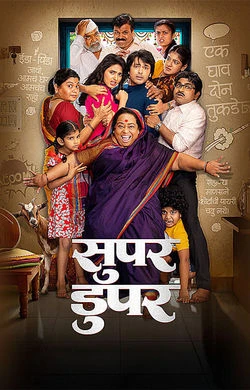
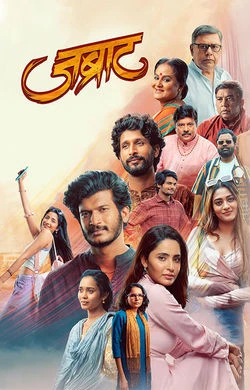
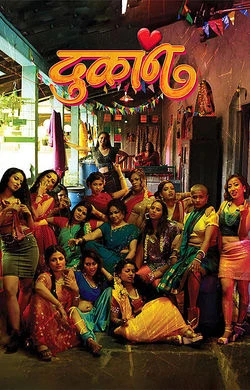
Welcome to a lane where sharp writing and lived-in detail take center stage. If you’re searching for Marathi movies online and want discovery without the guesswork, this page lines up contemporary crowd-pleasers beside intimate character pieces, plus Marathi dubbed movies online that bring global stories into a familiar cadence. Whether you watch Marathi films for dry wit, social realism, or heartfelt family drama, MixMoviez curates full Marathi movies so you can browse by mood and jump right in. Explore eras and regions in one place, compare voices, and keep a ready queue that proves small budgets and big ideas can coexist—your guide to Marathi movies online that reward attention and replay.
Marathi Cinema Standouts
Marathi cinema’s standouts speak the language of everyday life with uncommon clarity. The best films place recognizable spaces—housing societies, single-room rentals, classroom corridors, village squares—under a patient lens, then let humor and conscience do the work. You feel the tug-of-war between ambition and duty as students navigate exams and parents bargain with hope; shopkeepers and civil servants improvise ethics in systems that prefer stamps to people. The tonal range is wide: gentle romances that bloom over bus routes and bookstalls; sly comedies whose punchlines hide soft truths; courtroom and civic dramas that turn red tape into a credible antagonist. Music arrives as memory rather than detour, and performances tilt toward micro-expressions instead of speechifying. Even larger canvases—sports arcs, period pieces, investigative thrillers—inherit this intimacy, rooting victory and revelation in character, not fireworks. Together, these films sketch a Maharashtra that is plural: coastal, plateau, metropolis, and small town, all speaking to each other on screen.
Social Themes & Human Stories
What resonates here are social questions carried by human stakes. Films tackle migration—from villages to Pune or Mumbai—with attention to rent, commute, language, and the fragile dignity of first jobs. Family narratives weigh tradition against self-definition: a daughter defending her coursework, a son testing the boundaries of caste or class expectation, grandparents safeguarding memory through ritual and food. Bureaucracy becomes a stage for moral choice, where a missing affidavit can derail a life and kindness steals in through side doors. Rural stories reckon with water, credit, and climate; urban tales map the soft politics of societies and offices where hierarchy hides in courtesy. Code-switching—Marathi spiked with Hindi and English—signals aspiration and anxiety in equal measure. Romantic plots resist melodrama, treating consent and time with care; comedies earn their laughter by respecting consequence. Across all of it runs a thread of civic curiosity: films that ask how institutions should work, and what we owe one another when they don’t.
Festival Darlings & Critics’ Picks
Critics return to Marathi cinema for its precision, and festivals embrace its unshowy confidence. Minimalist dramas store thunder in quiet rooms, trusting the audience to connect gestures to stakes. Procedural thrillers move with documentary calm—paper trails, RTI pleas, bank counters—so that a signature can feel like a chase scene. Children’s films don’t condescend; they look upward from child-height and let play reveal economics, gender, or grief. Satire keeps a straight face, using deadpan to rearrange the furniture of power. Period pieces chase texture over ornament, inhabiting millwork, textiles, and dialect instead of speeches. These are films that travel well because they are specific: a Konkan monsoon that owns the frame, the ring of a local train, the chorus of neighborhood dogs at midnight. They leave room for ambiguity, and their endings feel like a door left ajar—life goes on beyond the cut. Discovering them here means meeting stories that invite conversation rather than demand agreement.
Indie Spirit & Craft in Marathi Movies
The indie spirit is less about thrift than intention. Directors favor real locations and available light; production design trusts scuffed floors, ledger books, pressure cookers, and tin signage to tell the truth. Editors cut for thought and breath, not merely speed; cinematographers let weather choreograph the scene—blinding noon on the ghats, sodium-lit drizzle, the soft geometry of morning in a chawl courtyard. Sound design is an author: the clatter of tiffins, a bell from a nearby mandir, the Doppler of a suburban train, the hush that follows hard news. Music wears many faces—Lavani rhythms for celebration, natya sangeet echoes for memory, contemporary strings and synths for restraint—entering as story rather than spectacle. Marathi dubbed movies online extend this craft: adapters match idiom and meter so jokes land on the right vowel, and voice artists sync breath and silence, not just words. The result is cinema that feels hand-made and durable—films that carry the warmth of theater, the curiosity of journalism, and the cinematic grace to make ordinary life glow.