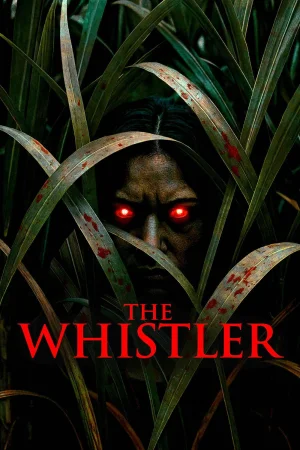
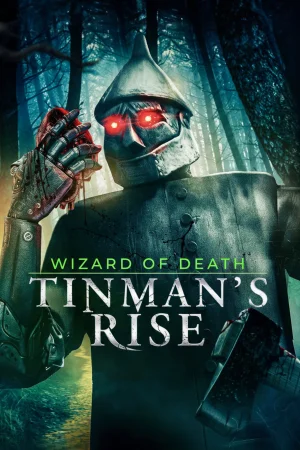
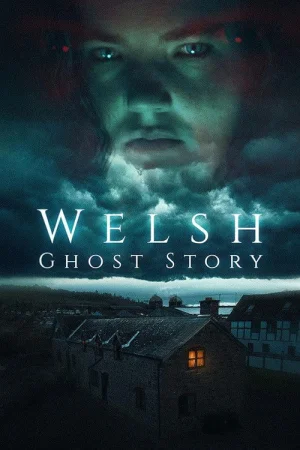
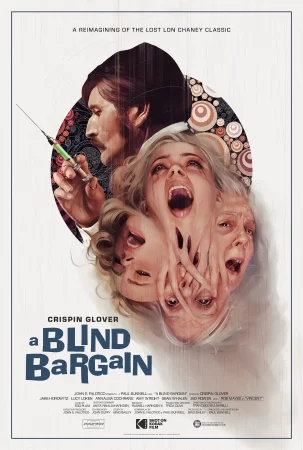

Ready to lean forward and hold your breath? Our Horror shelf lines up horror movies online so you can watch horror films by mood—chilling slow-burns, gnarly creature features, or nerve-snap thrill rides—without guesswork. On Movela you’ll find scary movies online beside the best horror movies from around the world, all organized for clean discovery. Build a queue that moves from haunted corridors to sunlit dread, from myth to modern anxiety, with full features ready when the lights go down. Whether you crave atmosphere, cathartic screams, or razor-sharp allegory, this lane curates horror movies online that earn every shiver.
Fear Mechanics: Atmosphere & Anticipation
Horror works not by shouting, but by teaching you to listen. Atmosphere is the invisible hand: drafts moving curtains that shouldn’t move, hallways that seem too long for the floor plan, a kettle that refuses to boil. Anticipation braids image and silence until your body predicts impact before your brain agrees. The best films stage geography so threat has rules—doorways frame decisions, mirrors double as witnesses, basements compress air. Editing cuts on thought, not noise; we watch a suspicion form, then dread the moment it’s confirmed. Pacing lays breadcrumbs, then withholds the last crumb one beat too long. Fear becomes a rhythm of noticing: a chair half-turned, a photo re-hung, a clock that stutters. When the scare lands, it’s less a jump than a verdict on details you already saw. That’s why we keep watching: the genre rewards attention, punishes bravado, and reminds us survival begins with learning the room.
Subgenres: Supernatural, Slasher, Folk & Cosmic
Supernatural horror treats absence like a character—voices from vents, grief that rearranges furniture, rules found in margins and mirrors. Stakes turn metaphysical, but behavior stays precise: offerings placed, thresholds honored, names withheld. Slashers are physics and proximity: bodies in motion, blades with history, timing as tactic. The craft is spatial clarity—where exits are, what squeaks, who hesitates. Folk horror relocates fear to fields and festivals, where ritual is law and the landscape keeps score. Harvests fail, stories grow teeth, strangers learn that hospitality has fine print. Cosmic dread tilts the camera toward scale: minds fray at patterns too large, science becomes prayer, and language breaks under knowledge not meant for mouths. Many films hybridize—occult noir, pastoral slashers, tech-haunted ghost stories—yet the promise holds across branches: rules you can learn, consequences that stick, and a final image that feels like a relic smuggled out of somewhere you shouldn’t have gone.
Monsters, Metaphors & Cultural Fears
Horror’s creatures endure because they mean more than teeth. Vampires talk about appetite and power; zombies about systems that keep moving without minds; ghosts about debts the living won’t pay. Even when the monster has latex seams, its metaphor fits like a second skin. The strongest films start with a human pressure—a secret, a stigma, a scarcity—and let the horror externalize it until denial is impossible. Social anxieties migrate into set pieces: an eviction becomes a siege, a bad workplace becomes a labyrinth, a family silence becomes a presence that refuses to be unnamed. Cultural specificity sharpens the edge: rituals, superstitions, and histories arrive as story, not garnish, so the stakes feel inherited as much as chosen. Horror can be cruel, but the best of it is curious; it sees why people cling to comforting lies, then offers a cost for breaking them. When the credits roll, the monster is explained—but the mirror it held up is still in your hands.
Practical Effects, Sound & Lighting
Craft turns dread into sensation. Practical effects give fear weight—prosthetics that wrinkle under light, blood that obeys gravity, doors that protest like old bones. VFX extends horizons and erases seams, but the scare lands because something in frame actually moved air. Sound design is half the script: old pipes whispering in B-flat, distant trains timestamping alibis, a fridge hum dropping out just before the thing breathes. Mixes protect dynamic range so whispers survive beside screams; silence arrives like a blade. Music chooses restraint—motifs that return older, percussion that counts down a lie, synths that corrode comfort. Lighting is ethics and mood: sodium street lamps that turn alleys sick, candlelight that makes faces untrustworthy, flat fluorescents that admit institutional horror. Negative space becomes a predator; color scripts track descent from home-warm to morgue-cold. When these elements agree, terror feels inevitable rather than cheap—a world coherently wrong, inviting you to look closer exactly when you shouldn’t.