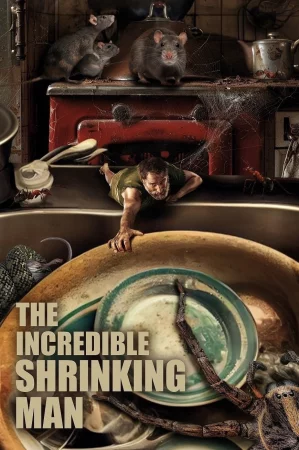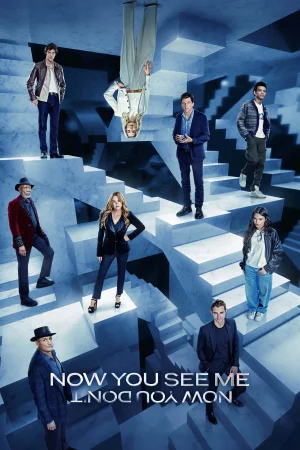



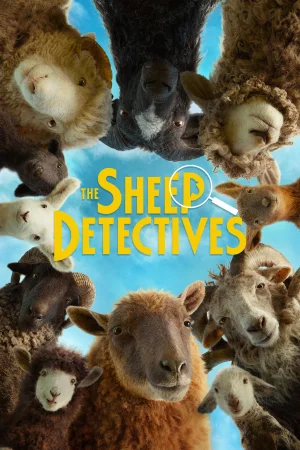

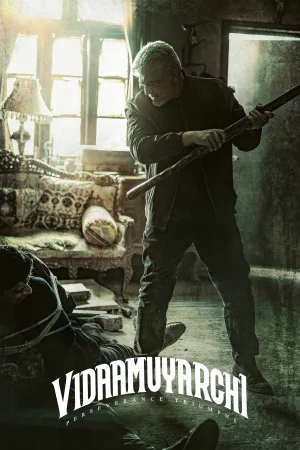
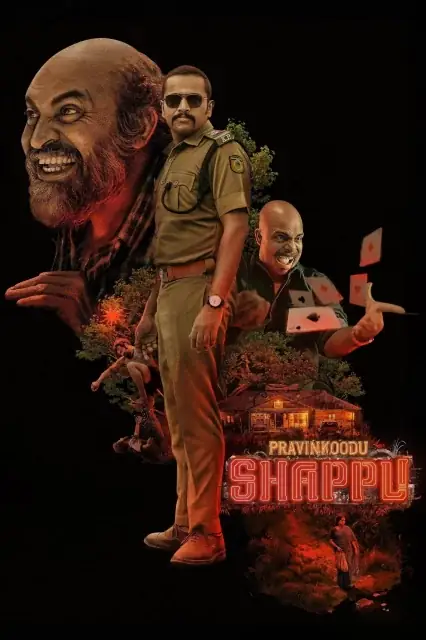


Ready to follow the breadcrumbs? Our mystery lane gathers mystery movies online so you can watch detective films by mood—cozy, cerebral, or edge-of-seat—without guesswork. On Movela, you’ll find whodunnit movies beside character-driven investigations, each arranged for clean discovery and quick queuing. Whether you crave a locked room, a cold case thawing in real time, or a conspiracy that reorders the map, this shelf puts the best mystery cinema within reach. Compare tones and eras, spot patterns, and press play on stories that reward attention—mystery movies online tuned for wit, tension, and the thrill of putting truth back together.
Locked Rooms, Cold Cases & Conspiracies
The subgenres are doors with different keys. Locked rooms tighten the frame until every object testifies: a stain that shouldn’t exist, a window that opens the wrong way, a clock whose hands disagree with the weather. The delight is geometric—limited entries, finite suspects, logic peeling back bravado. Cold cases widen the lens; time itself becomes an accomplice, and memory must be cross-examined like a person—diaries against photographs, official files against rumor. Conspiracy thrillers braid these energies, turning boardrooms, archives, and city grids into a single maze. Here, the villain is often a system; the hero’s tool is persistence. Great films map the journey from hunch to proof with legible steps—an overlooked invoice, a bus route, a pattern of accidents—so when the plot blooms, it feels inevitable. You don’t just learn what happened; you learn how the world allowed it, and which quiet choices finally refused to.
Evidence, Motive & Opportunity
Every mystery balances three weights. Evidence is the visible trail—fibers, footprints, timestamps, soil where it shouldn’t be. But facts become meaning only when hammered into sequence: a receipt that contradicts an alibi, a CCTV blind spot that reads like intention, a kitchen reorganized to hide habit. Motive is the pulse—money, envy, fear, humiliation—sometimes noble, often ordinary, always specific. Opportunity is geometry: lines of sight, commute time, key control, whether a storm masked what a neighbor would have heard. The best films let procedure sing without turning into lectures. Investigators test theories like engineers, stress-testing cause and effect. Redactions force creative leaps; forensics narrows the field; a scrap of dialect reveals origin. Above all, the contract is fair play. Crucial data appears on screen, planted with craft rather than neon, so the eventual answer satisfies twice—first as a diagram that balances, then as a human truth that hurts the right way.
Witnesses, Suspects & Alibis
People are data with feelings. Witnesses misremember honestly, protecting pride or smoothing chaos; some lie for love, some for habit, some because the room scares them more than the truth. Interrogations become choreography—tempo, silence, repetition, a photo placed at a delicate angle. Suspects are rarely villains in capital letters; they are bundles of need and history, and the cleanest confessions often arrive without shouting. The alibi is a small story on trial. Films teach you to test its joints: who corroborates and why, what a receipt can’t prove, which sound should have existed if the claim were real. Ensembles matter—a librarian who knows what’s missing, a neighbor with a gift for noticing pets, a clerk whose routine outlasts the plot. In the strongest mysteries, revelations reassign empathy alongside blame. A cleared suspect still has to live with a choice; a guilty party still has a map of how they became so. Justice lands; consequence lingers.
Tone & Texture: Gothic, Cozy, Procedural
Tone is the fingerprint of a mystery. Gothic entries glow with candlelight and secrets, where corridors turn memory into dread and the house itself testifies—cracks in plaster, portraits that watch, weather that keeps score. Cozy tales prefer warmth and wit: villages with teapots and sharp eyes, stakes measured in dignity and belonging, language that nudges rather than knifes. Procedurals trade teacups for timelines, respecting chain of custody and courtroom logic as terrain to be navigated with skill. Many films mix palettes: a cozy village hiding a gothic root, a procedural that ends with a tender kitchen scene instead of a podium. Texture seals the mood—wardrobe scuffed by work, pens that scratch because paper is dear, room tone that sounds a shade “off.” Scores understand restraint; a motif returns older, a single held note becomes a verdict. Whatever the flavor, the promise holds: a fair chase, a resonant answer, and the quiet click of pieces finally fitting where they always belonged.