
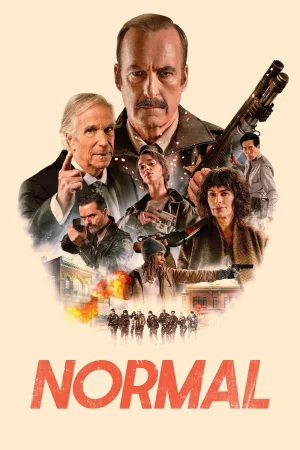

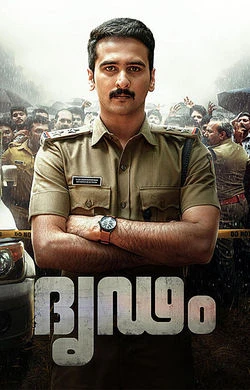


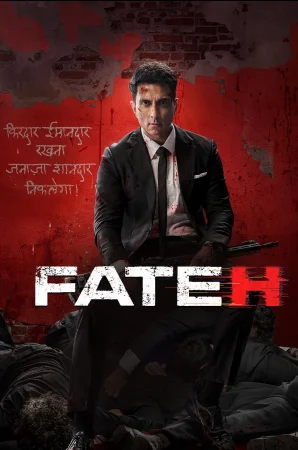
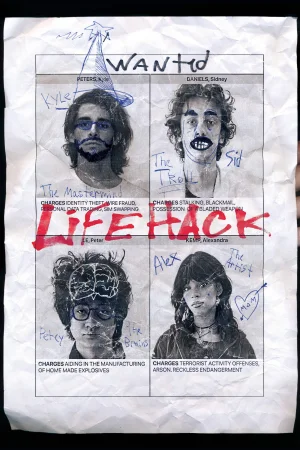
Craving sharp puzzles, tense showdowns, and unforgettable reveals? Our Crime shelf lines up crime movies online so you can watch crime films by mood—methodical, gritty, or high-stakes—without the guesswork. On Movela you’ll find detective movies that prize evidence and motive beside gangster movies that map loyalty and power like city grids. From precision heists that click like safes to courtroom battles that hinge on a single word, this lane keeps discovery simple and momentum high. Build a queue that travels from alleys to archives, from stakeouts to verdicts—crime movies online that are brainy, breathless, and built to be rewatched.
Heists, Investigations & Underworlds
The crime canvas stretches from blueprint to booking, and the smartest films make every step legible. Heists turn planning into music: casing routes, timing cameras, rehearsing disguises, and trusting the one person who knows when to abort. Friction is inevitable—an extra guard, a jammed latch—so improvisation becomes the real skill. Investigations translate chaos into narrative; timelines rebuilt from receipts and cell pings, fibers that narrow a world to a jacket, witness memories cross-checked until the noise falls away. The underworld breathes through economy—fronts, fences, cash businesses—and through etiquette as strict as any court. When plans collide with procedure, chain of custody becomes battleground, motive turns on a phrase, and the outcome rests on who understands pressure better. The pleasure is clarity: you always know what’s at stake, what each choice costs, and why a tiny misread detail can redirect every life in the room.
Codes, Loyalty & Betrayals
Crime stories don’t just chase culprits; they interrogate conscience. Crews form around rules—never work with strangers, never touch family, keep the ledger square—and those rules look noble until the clock runs out or the money runs short. Detectives have codes too: shortcuts they won’t take, lines they cross and never stop paying for. Prosecutors weigh justice against winnable cases; fixers balance secrecy with the debt they’ll owe for silence. Loyalty is a currency that accrues interest; betrayal is the bank run. The most resonant arcs live in gray zones where a “win” still hurts—witness protected but community bruised, kingpin toppled yet vacuum formed, a confession earned at the price of trust. When the reckoning comes, it lands as tragedy rather than cartoon; choices collide with consequences, love measures itself against survival, and the final handshake or refusal redraws the map more cleanly than any gunshot.
Detectives, Antiheroes & Masterminds
Great crime cinema is a duel of intelligences. Detectives range from methodical archivists to gut-led observers who notice the thread count that breaks an alibi. Antiheroes compel because their sins are legible—they keep promises, pay debts, protect the powerless—even when their methods scorch. Masterminds are less about IQ than about patience: the discipline to wait two beats longer than anyone else, the humility to escape rather than gloat. Ensembles widen the lens—analysts and lab techs, lawyers and journalists, informants and relatives whose small truths crack big lies. Unreliable narrators aren’t gimmicks but theses about perspective; we learn to read what they won’t say. Character is the engine: the chase ends not with coincidence but with a flaw finally exploited or a virtue finally chosen. When the final reveal arrives, it satisfies twice—first as a diagram that balances, then as a human verdict that feels inevitable.
Cityscapes, Noir Mood & Grit
Setting is evidence. Ports, projects, markets, ring roads—each shapes crime as surely as motive. Cinematography writes a grammar you can read at a glance: wide shots that test a runner’s nerve, doorways that frame decisions, reflections that turn windows into witnesses. Color scripts carry mood—sodium vapor for urban fog, institutional green for dread, morning light that makes a suspect newly possible. Production design maps ecosystems—bodegas and bails, pawn counters and payday windows—while sound completes the lie detector: radios hiss, stairwells echo, a neighbor’s TV timestamps an alibi. Violence isn’t glamor; it is consequence, followed by paperwork, hospital light, and the stubborn work of repair. That’s why the best entries linger: the city keeps breathing after credits, the choices keep echoing, and the streets feel like a map you now know how to read—one corner, one shadow, one telltale scuff at a time.