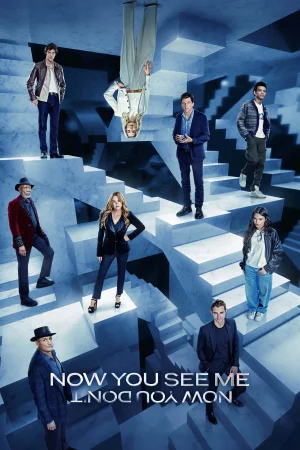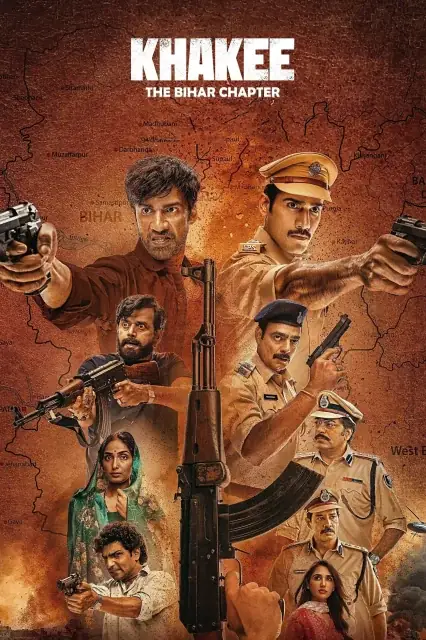
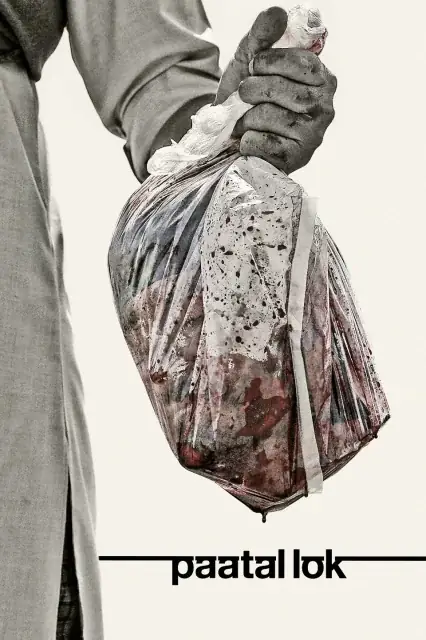
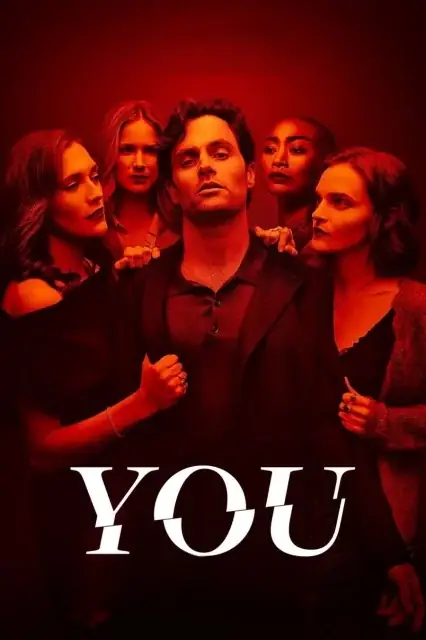

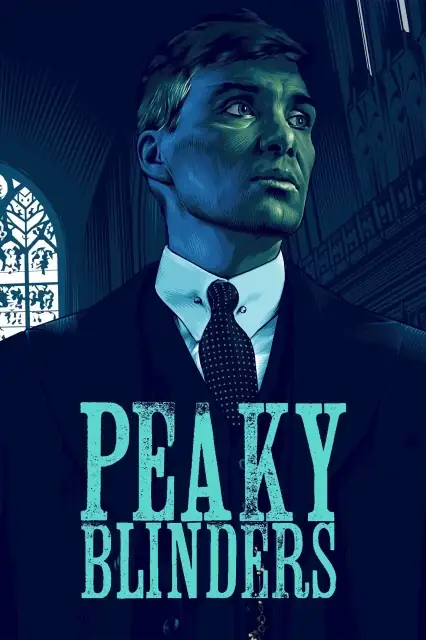
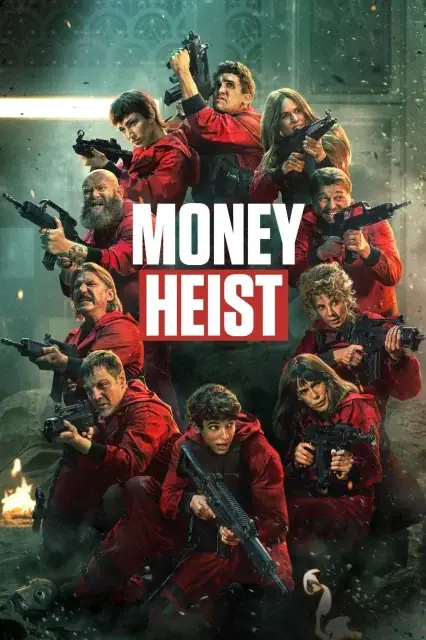
Craving sharp puzzles, tense showdowns, and unforgettable reveals? Our Crime lane lines up crime series online so you can watch crime shows by mood—methodical, gritty, or high-stakes. On Movela you’ll find detective series that prize evidence and motive beside the best crime dramas where character turns the key. From heists that click like clockwork to courtroom battles that hinge on a single word, this shelf keeps discovery simple and momentum high. Browse eras and regions, compare tones, and build a queue that fits your night—proof that crime series online can be both brainy and breathless whenever you press play.
Investigations, Heists & Courtrooms
The crime canvas stretches from alleyway clues to appellate arguments, and the best shows make every step legible. Investigations map the invisible—timelines rebuilt from receipts and cell pings, fibers that narrow a world to a single jacket, witness memories cross-checked until the noise falls away. Detective work hums with rhythm: canvass, interview, stall, break. Heist arcs flip the lens to the crooks and architects, turning planning into poetry—blueprints annotated with egos, disguises as character studies, rehearsals that expose trust as the only currency that matters. When plans meet friction, improvisation becomes sport. Courtroom chapters translate chaos into narrative; direct, cross, and objections sculpt a story the jury can hold. Chain of custody becomes a battleground, motive turns on a phrase, and a closing argument reframes months of evidence with one human truth. Across it all, craft serves clarity, so you always know what’s at stake and why each choice could save or sink a life.
Antiheroes, Codes & Moral Lines
Crime stories don’t just chase culprits; they interrogate conscience. Antiheroes compel because they live by codes we can read: loyalty over legality, family over fame, a personal ledger of debts and favors that outvotes statutes. Detectives have codes too—rules about shortcuts they won’t take, lines they won’t cross, or ones they cross and never stop paying for. Informants, prosecutors, fixers, and crew chiefs all measure risk against belonging. The genre thrives in gray zones where a “win” can still feel like a loss: a witness protected but a community bruised, a kingpin toppled while a vacuum forms, a confession earned at the price of trust. The most resonant arcs let compassion complicate the hunt, granting villains interiority and heroes blind spots. When the reckoning comes, it lands as tragedy rather than melodrama—choices colliding with consequences, codes colliding with love, and the audience invited to ask not only what happened, but what it cost to be the person who made it happen.
Procedurals vs. Serialized Crime
Procedurals run on clockwork: a case per episode, clean setups, satisfying payoffs, and a rhythm that respects comfort without dulling surprise. Their secret is texture—recurring beats in labs and precincts, jokes in break rooms, rules of evidence and ethics that teach you how the world works. Serialized crime widens the aperture, letting patterns surface across weeks: a missing ledger page that won’t go away, a leak that contaminates every win, a family secret that keeps re-editing motives. Here, cliffhangers are earned ruptures, not bait; revelations revise what you thought you understood without breaking the contract of fair play. Hybrids flourish too: mini-arcs inside a bigger conspiracy, case-of-the-week threads that double as character surgery. In all forms, the goal is the same—clarity about stakes, respect for consequence, and forward motion driven by human choices rather than writerly cheats. Whether you want a tidy midnight mystery or a season-long knot, the engine hums because intention does.
Grit, Realism & Cityscapes
Setting is evidence. Cityscapes—ports, projects, markets, ring roads—shape crimes as surely as motive does. Realism lives in small sounds: radios hissing, stairwells echoing, coffee lids snapping, a beat cop’s shoes giving out in the rain. Production design tracks the ecosystem—bodegas and bails, pawn counters and payday windows, offices where blinds cut sunlight into stripes that look like bars. Cinematography maps danger and refuge, teaching you sightlines and blind corners; sound mixes protect whispers so they matter when a wire is live. Writers honor procedure without turning it into lecture, and they let communities speak for themselves—dialect, food, ritual—as part of the plot, not wallpaper. Violence isn’t glamor; it is consequence, followed by paperwork, hospital light, and the stubborn work of repair. That’s why the best crime dramas linger: the city keeps breathing after credits, the choices keep echoing, and the streets feel like a map you now know how to read—one corner at a time.