Ben Affleck and Matt Damon Face Lawsuit From Police Officers Over Production-Related Incident at Artists Equity
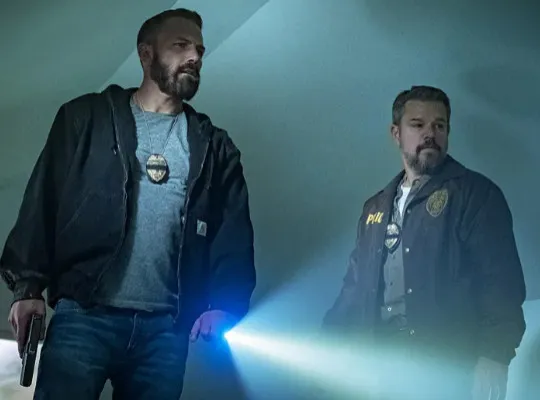
Miami-Dade sheriff’s deputies Jonathan Santana and Jason Smith are the individuals bringing the lawsuit. Court documents state that the officers believe the film closely resembles actual narcotics raids they participated in across South Florida in 2016. While Ripoff is presented as a work of fiction, the officers contend that the similarities are so striking that colleagues, acquaintances, and those familiar with the cases could easily identify them. The deputies strongly deny any involvement in corruption or theft, asserting that the film’s portrayal as “dirty cops” is false and damaging. Allegations Made by the Officers
The lawsuit is primarily based on defamation claims. Santana and Smith argue that the filmmakers linked the fictional story too directly to real-life events and their police service, creating a misleading impression that they engaged in illegal activities such as seizing and dividing large sums of cash. They emphasize that these false associations have tarnished their reputations and caused personal distress, introducing suspicion where none previously existed. Legal Demands from the Plaintiffs
The exact monetary damages sought have not been specified. However, the officers are reportedly requesting:
- Compensation for both financial losses and emotional distress
- Punitive damages to serve as a deterrent
- Reimbursement for legal costs incurred
- An official public retraction or clarification regarding the film’s portrayal
- Corrections to promotional materials associated with Ripoff
Premiering on Netflix in January 2026, Ripoff quickly gained attention as a gritty, intense crime drama. Directed and written by Joe Carnahan—renowned for his dark action films—the story centers on a group of narcotics officers who stumble upon millions of dollars during a raid. Instead of turning the cash over as evidence, they decide to split it among themselves, leading to betrayal, paranoia, violence, and the breakdown of their relationships. The film is marketed as a raw exploration of greed, corruption, and moral decay within law enforcement circles. Potential Issues with the Marketing Strategy
A key element in the lawsuit could involve statements made during the film’s promotional phase. Both Ben Affleck, Matt Damon, and Joe Carnahan publicly claimed that Ripoff was inspired by a real police case from Miami. This connection was used to boost audience interest and marketing appeal. If the court finds that these claims were intentionally made to link the fictional story to actual officers, the legal implications for Artists Equity could become more complex, potentially exposing the studio to greater liability. Implications for Hollywood and the Industry
This lawsuit highlights ongoing concerns about the line between fictional storytelling and the portrayal of real individuals. Films labeled as “inspired by true events” often walk a fine legal line, and a victory for the officers could compel studios to adopt more rigorous standards when promoting works tied to real-life cases. It may also demand clearer distinctions between fact and fiction to avoid defamation or misrepresentation claims. For Artists Equity—a studio emphasizing high-quality, creator-driven content—the legal challenge could pose a serious reputational risk, prompting industry-wide discussions about responsible storytelling. Current Response from the Studio
As of now, neither Ben Affleck, Matt Damon, Artists Equity, nor Joe Carnahan has issued public comments regarding the lawsuit. The controversy surrounding Ripoff appears to be intensifying, transforming what seemed like a straightforward crime drama into one of the most closely monitored legal battles in Hollywood this year.
Diğer haberler:
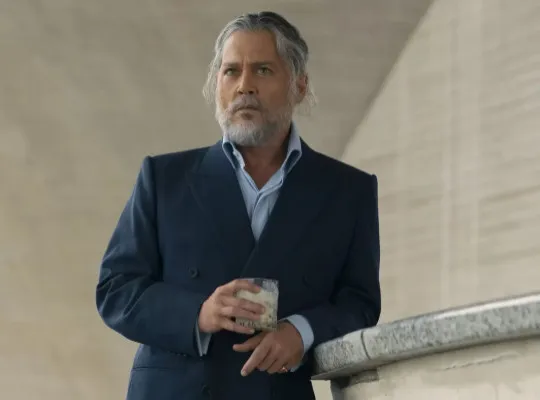
Day Drinker Starring Johnny Depp Officially Receives Release Date, Replacing a Planned Film From Mel Gibson on the Schedule
24-05-2026, 14:37
Lionsgate has officially set the release date for *Day Drinker*, the upcoming thriller directed by Marc Webb starring Johnny Depp. The film is now slated to hit theaters on March
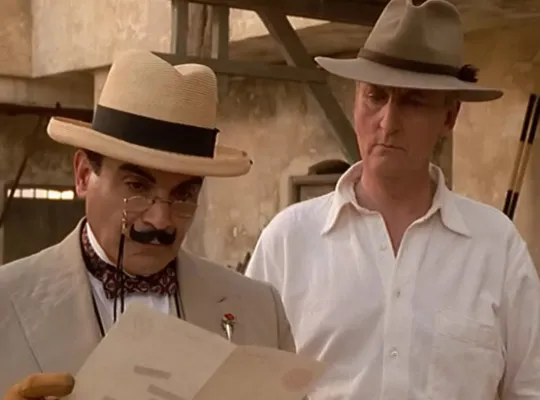
BBC Developing New Series About Hercule Poirot Based on an Unfinished Story by Agatha Christie
24-05-2026, 14:35
BBC is officially developing an exciting new television series centered on the legendary detective Hercule Poirot, the iconic Belgian sleuth created by Agatha Christie. This

Nicolas Cage Says He Doesn’t Separate Heroes and Villains When Choosing Roles
24-05-2026, 14:34
Nicolas Cage emphasizes that he has never believed in categorizing characters simply as heroes or villains. Instead, he selects roles based on their depth, unpredictability, and

Yorumlar 0